

For the past 12 years, I have handled our new management appointments. That means I am usually the person communicating with new landlords from the initial phone call all the way until the property is ready to go on the market.
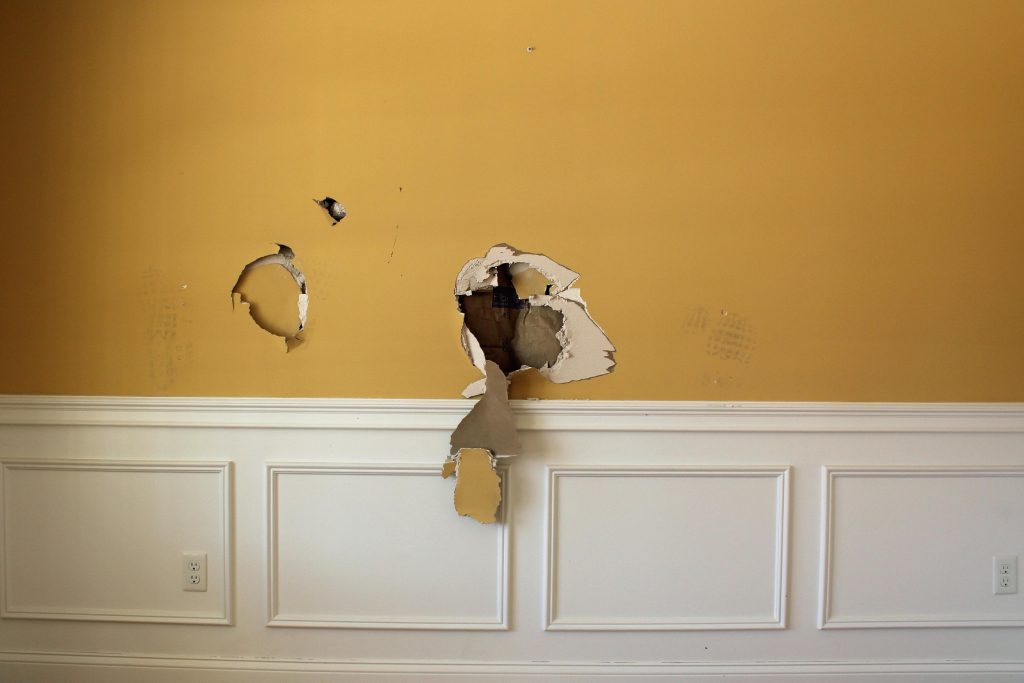
A big part of that process is meeting new or potential landlords at the property to discuss what can make the home more marketable. Nothing makes me cringe more than hearing a landlord say, “Well, it’s just a rental,” when they brush off something that is outdated, damaged, dirty, or simply not aesthetically pleasing.
I understand where they are coming from. Many owners have already spent a significant amount of money on the property. Others may have lost income because the home has been vacant. But even then, it is extremely important to put your property’s best foot forward.
In my 15 years of property management, I have seen some of the best and worst this industry has to offer. One thing I have learned is that keeping a rental property in the best possible condition benefits the landlord even more than the tenant.
When we recommend painting, replacing flooring, updating bathrooms, changing fixtures, or making other improvements, some landlords feel like they are spending unnecessary money to benefit a stranger living in their property. While the tenant certainly benefits from living in a clean, well-maintained home, the bigger benefit is to the owner.
You are setting the standard.
When a tenant receives a neat, clean home in great condition, it sends a clear message: this property is cared for, and we expect it to be maintained and returned in the same condition. It establishes expectations from day one.
On top of that, do you really want your investment in the hands of someone who is comfortable living in a house that you would not live in yourself?
Better Condition Attracts Better Tenants
A home in great condition is more likely to attract quality tenants. People who take pride in where they live are usually looking for a home that feels clean, safe, and well cared for.
A poorly maintained property can send the wrong message. It may tell prospective tenants that standards are low, maintenance is not a priority, and the owner or property manager does not pay close attention.
That is not the message you want to send.
Better Condition Can Reduce Vacancy
In addition to attracting quality tenants, a property in great condition typically has a lower vacancy rate.
You may think you can get one more tenant out of a paint job that was done three years ago. But odds are, there is another house down the street that is similar in size and price but has been freshly painted. A prospective tenant is likely viewing both properties online or in person.
Which one do you think will be more appealing?
The most successful landlords I work with tend to be detail-oriented and receptive to our recommendations. They understand that small details matter.
If your home is older, do not stop at fresh paint. Replace yellowed outlets and outlet covers with white ones. This small and inexpensive update can give the home a cleaner, newer feel, even if the property is older.
The condition of your property goes hand in hand with the rent price you set. It also affects whether a tenant is willing to accept the property at that price.
Deferred Maintenance Becomes More Expensive
Small maintenance issues often become big problems when they are ignored.
Poor caulking can lead to rot. Dirty air filters can lead to HVAC service calls. Poorly patched roofs can turn into active leaks. Small plumbing issues can become water damage.
It is almost always better to address these things before a tenant moves into the property.
Not only can this help minimize long-term costs, but it also sets the tone for the tenant. If a tenant feels like they are living in a neglected property, they may be more likely to neglect it as well.
They may also be less likely to renew their lease when the original lease term expires. And when move-out comes, you can likely expect more disputes over damage charges from the security deposit.
Another phrase that makes me cringe is, “Well, I left the home in much better condition than I received it.”
That statement may be true for a very small number of tenants, but in my experience, it is not something that landlords should ever hear if their property is in great condition.
Strong Condition Protects the Long-Term Value of Your Investment
Most importantly, maintaining your home to a high standard protects the long-term value of the property.
A rental property is not just a monthly rent check. It is an asset.
Keeping it in great shape helps protect resale value, appraisal value, insurability, and long-term performance. When landlords say, “It’s just a rental,” they are often thinking about short-term savings. But the condition of the property affects much more than the immediate cost of repairs or updates.
Tenants see the property as their home. Some are raising their children there.
Neighbors see the property as part of the neighborhood.
Prospective tenants use the condition of the home to decide whether they will feel safe, comfortable, and taken care of while living there.
And owners should see it for what it is: an investment that needs to be protected.
Property Condition Reflects the Property Manager Too
Quality property managers are also less likely to represent homes that are in poor condition.
Aside from potential liability concerns, marketing a property in bad condition can negatively impact a property management company’s brand. The homes we manage are a reflection of our standards.
If you have a property in poor condition, you should ask yourself this: would you really trust a property manager who is excited to add that home to their inventory without recommending improvements?
A good property manager should not just collect rent. They should help protect your investment, advise you on what matters, and help you make decisions that improve the long-term performance of the property.
Final Thoughts
A rental property should never be treated as “just a rental.”
It is a home for the tenant, an investment for the owner, and a reflection of the standards behind its management.
Putting your property’s best foot forward is not about overspending or making unnecessary upgrades. It is about setting expectations, attracting better tenants, reducing vacancy, protecting your asset, and making sure your investment is positioned for long-term success.
Alex Townsend
Licensed Broker
Townsend Property Management